
The restaurant industry is evolving rapidly, with technology playing a significant role in enhancing customer experience and operational efficiency. One of the most impactful innovations in recent years is restaurant tablet ordering. This system allows servers or guests to place orders directly at the table using digital devices like tablets or POS systems.
This seamless integration of technology in the kitchen helps reduce wait times, increase order accuracy, and boost overall sales. According to the National Restaurant Association’s Restaurant Technology Landscape Report 2024, 47% of restaurant owners acknowledge that technology and automation have become essential tools for addressing labor shortages and improving service quality.
If you’re considering implementing restaurant tablet ordering in your establishment, this comprehensive guide covers everything you need to know to implement the best solution for your business. From understanding the core benefits to selecting the right hardware, we’ll explore how this technology can transform your restaurant operations and drive measurable results.
What is Restaurant Tablet Ordering?
Restaurant tablet ordering refers to digital ordering systems that utilize tablet devices for menu browsing, order placement, payment processing, and kitchen communication. These systems can be deployed as tabletop tablets for customers or handheld devices for wait staff, fundamentally transforming the traditional dining workflow.
The technology integrates seamlessly with existing POS systems, kitchen display screens, and payment processors, creating a unified ecosystem that enhances both front-of-house and back-of-house operations. Unlike traditional ordering methods, restaurant tablet ordering systems provide real-time menu updates, visual product presentations, and instant order transmission to kitchen staff.
Top 5 Benefits of Restaurant Tablet Ordering
1. Accelerated Service and Reduced Wait Times
Studies by the Wharton School found that tabletop technology can increase table turnover by nearly 17%, directly impacting revenue per table. Customers can browse menus at their own pace, place orders instantly, and request service without waiting for staff to become available. This efficiency translates to faster table turns and improved customer satisfaction.
2. Enhanced Order Accuracy
Digital restaurant tablet ordering eliminates miscommunication between customers, servers, and kitchen staff. Orders are transmitted directly to kitchen display systems, reducing human error by up to 85%. Customizations, special requests, and dietary restrictions are documented, ensuring consistent order fulfillment.
3. Optimized Labor Management
According to Toast, 61% of diners agree that server handheld tablets improve their guest experience, while simultaneously allowing restaurants to operate efficiently with fewer front-of-house staff. Servers can manage larger sections, focus on hospitality rather than order-taking, and provide more personalized customer interactions.
4. Increased Revenue Through Smart Upselling
Restaurant tablets can improve sales by 9.74% and productivity by 10.77% through strategic upselling prompts, visual menu presentations, and add-on suggestions. The technology enables dynamic pricing, promotional displays, and personalized recommendations based on ordering patterns.
5. Superior Customer Experience
Modern diners expect digital convenience. The National Restaurant Association reports that a majority of full-service customers say they would be likely to place an order or pay the check using a tablet at the table. Restaurant tablet ordering provides multilingual support, detailed nutritional information, and allergen alerts, catering to diverse customer needs.
What Restaurants Use Tablets to Take Orders?
Leading restaurant chains across various segments have successfully implemented tablet ordering systems:
Quick Service Restaurants (QSR): McDonald’s, Panera Bread, and Chipotle utilize tablet-based kiosks for order customization and payment processing, reducing queue times and improving order accuracy.
Casual Dining: Chili’s, Applebee’s, and TGI Friday’s deploy tabletop tablets enabling customers to browse menus, place orders, play games, and pay bills without server intervention.
Fast Casual: Sweetgreen, Shake Shack, and Noodles & Company leverage tablet ordering systems to manage high-volume periods while maintaining order precision.
Fine Dining: Upscale establishments use handheld tablets for servers to capture detailed orders, wine pairings, and special occasion notes, enhancing the premium dining experience.
What is the Best Tablet for Restaurant Ordering?

Key Specifications for Restaurant Tablets
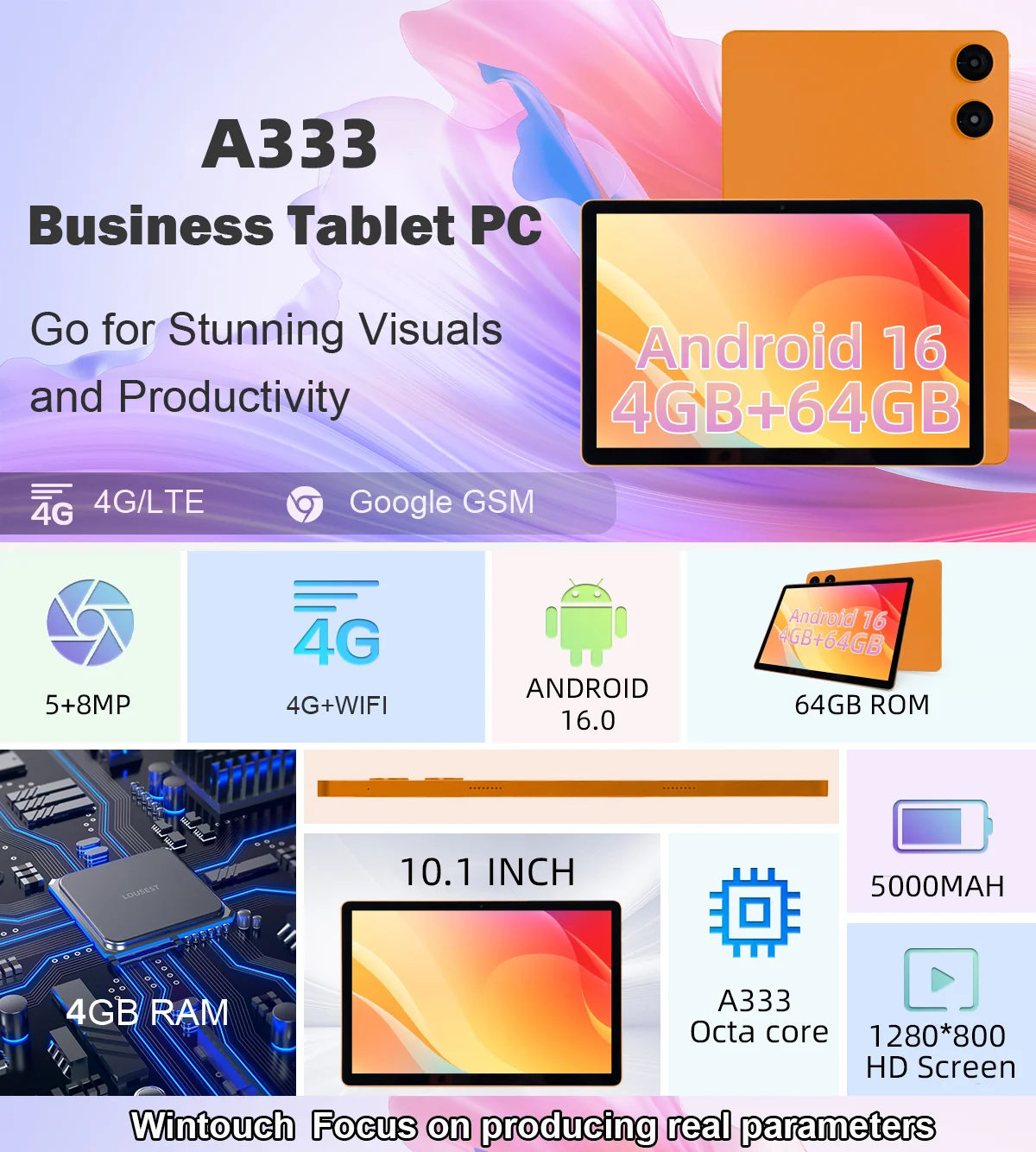
Processing Power: Minimum quad-core processor with 4GB RAM ensures smooth operation during peak hours. The best tablet for restaurant ordering should handle multiple applications simultaneously without lag.
Display Quality: 10-inch screens with 1920×1200 resolution provide optimal visibility for menu browsing and order management. Anti-glare coating is essential for various lighting conditions.
Durability Standards: Commercial-grade tablets with IP65 rating withstand spills, cleaning chemicals, and constant use. Drop-resistant designs with reinforced corners prevent costly replacements.
Battery Performance: 8-10 hour battery life supports full-shift operation. Hot-swappable batteries ensure uninterrupted service during busy periods.
Handheld Tablets for Restaurant Staff
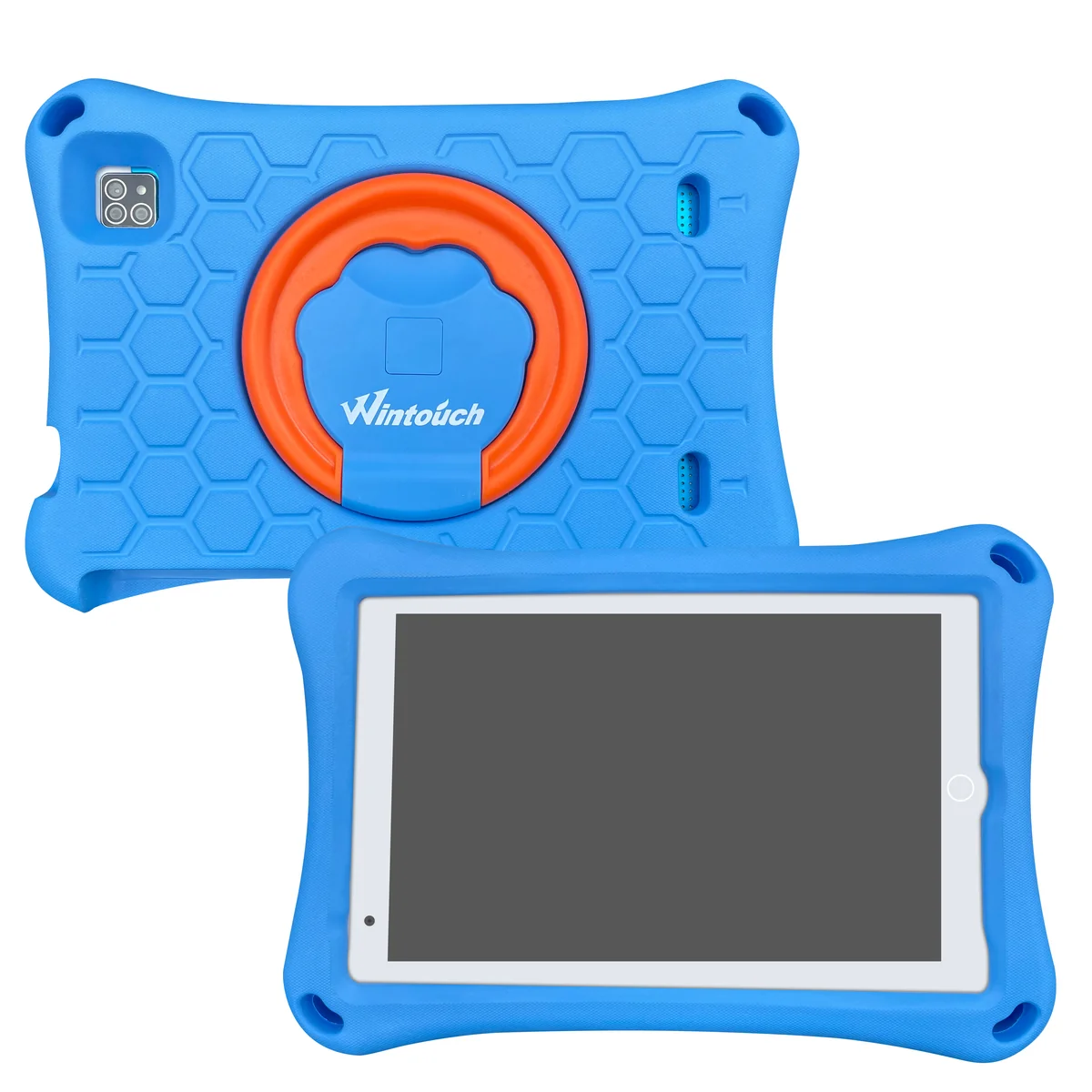
Wintouch Rugged Tablets: Ruggedized designs specifically engineered for restaurant environments. Restaurants implementing handheld tablets for waiters should prioritize lightweight designs (under 1.5 pounds), wrist strap compatibility, and one-handed operation capabilities. The best tablets for restaurant staff include POS integration, customer signature capture, and offline functionality for areas with poor WiFi coverage.
Maximizing Restaurant Tablet Ordering Success Across Different Venue Types
Quick Service Operations
Fast-food establishments benefit most from self-service tablet kiosks that reduce labor costs while managing high-volume orders. Integration with loyalty programs and mobile app connectivity creates seamless omnichannel experiences.
Full-Service Restaurants
Table-mounted tablet ordering systems complement traditional service models, allowing customers to browse appetizers, desserts, and beverages independently while servers focus on hospitality and complex requests.
Bar and Lounge Settings
Tablet menu systems excel in environments where verbal communication is challenging due to ambient noise. Visual drink menus with high-resolution images enhance the ordering experience for cocktails and food pairings.
Enhance Your Restaurant’s Efficiency with Wintouch Restaurant Tablets
Ready to transform your restaurant operations with cutting-edge tablet ordering technology? Wintouch specializes in ruggedized industrial tablets designed specifically for demanding restaurant environments. Our solutions integrate seamlessly with existing POS systems while providing the durability and performance your establishment demands.
Why Choose Wintouch for Restaurant Tablet Ordering:
- Durability for 24/7 operation
- Customizable software solutions for unique operational needs
- Comprehensive technical support and maintenance programs
- Proven track record with leading restaurant brands worldwide
Contact our restaurant technology specialists today to schedule a personalized demonstration and discover how Wintouch Industrial pc can optimize your dining operations, increase revenue, and enhance customer satisfaction.
Frequently Asked Questions
What should I look for when choosing restaurant tablets?
What is tablet order aggregation in restaurants?
Do restaurant staff need tablet training?
What are the benefits of using tablets in restaurants?
Restaurant tablet benefits include: 17% increased table turnover, 9.74% revenue improvement, 85% reduction in order errors, enhanced customer satisfaction, optimized labor allocation, improved upselling opportunities, and comprehensive analytics for operational insights. The technology pays for itself through efficiency gains and increased sales within 6-12 months.